By Cory Bosse
October 28, 2026
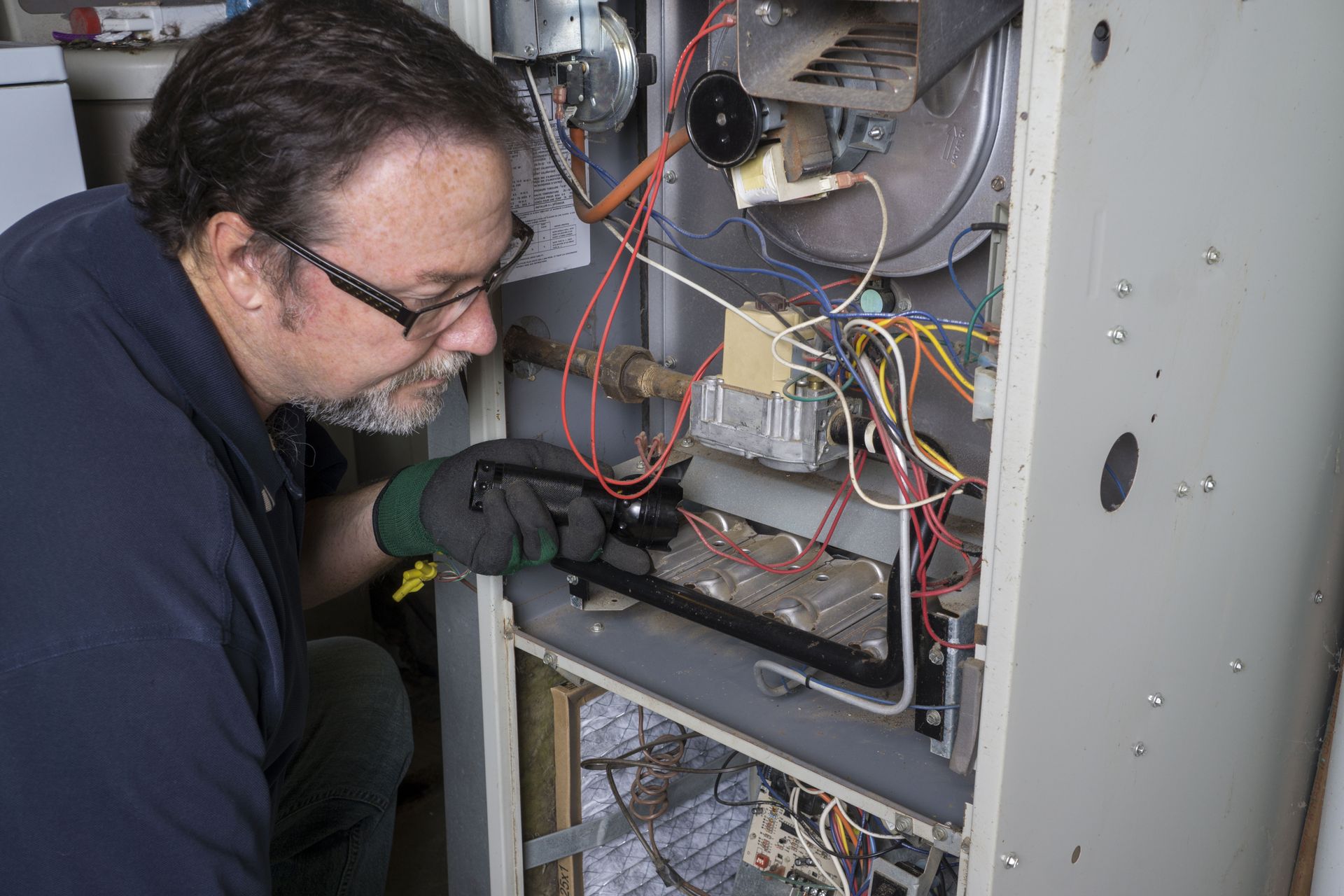
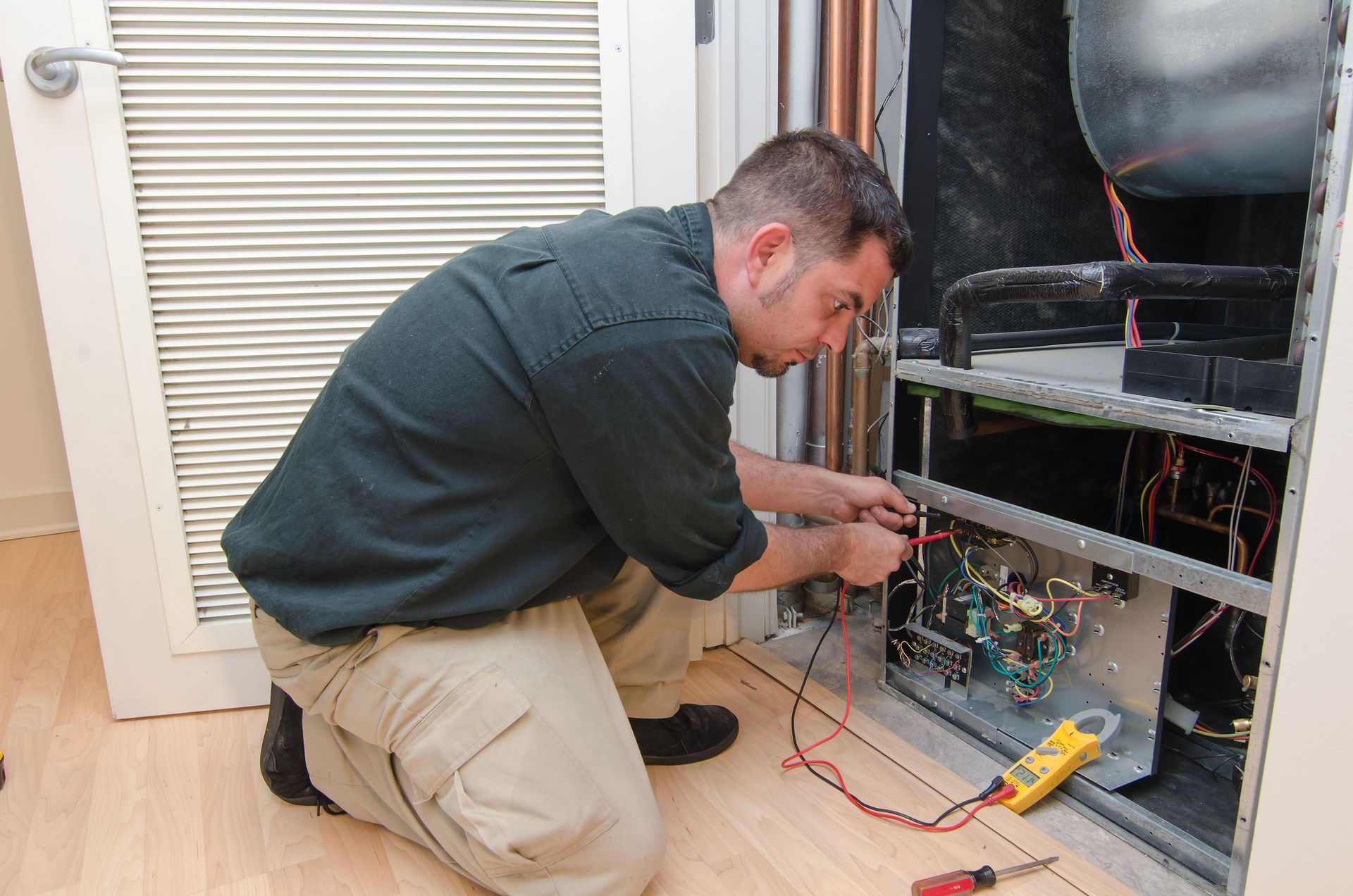
A functional furnace is essential for maintaining comfort in your home during colder months. However, when it starts blowing cold air, it can be both frustrating and concerning. Understanding the potential causes can help you troubleshoot the issue effectively or know when it is time to schedule a professional heating service. In this article, we explore several common reasons your furnace might be blowing cold air and provide guidance on how to address each situation. Properly diagnosing and resolving these issues with timely heating service can help you maintain a warm and comfortable environment in your home.
Troubleshooting Thermostat Issues
Checking Incorrect Settings
One of the most frequent issues with furnaces blowing cold air is incorrectly set thermostats. If your thermostat is set to "on" rather than "auto," the fan may continue to blow air even when the furnace isn't heating it, resulting in a cold draft. To prevent this, ensure that the "auto" setting is selected so that the fan only runs when the furnace is actively heating the air. Just this simple adjustment can stop your furnace from blowing cold air. Regularly checking your thermostat settings can prevent such issues from arising in the future.
Resolving Calibration Problems
Thermostats may sometimes become miscalibrated, leading to the furnace receiving incorrect temperature readings. A miscalibrated thermostat can result in your furnace not activating at the right times. This miscommunication can make you think your furnace is malfunctioning when it’s really just the thermostat not accurately detecting the room's temperature. Often, calibration issues can be resolved by resetting the thermostat or consulting the user manual for recalibration instructions. If the problem persists, seeking the assistance of a professional heating service technician is advisable.
Addressing Battery Concerns
Some thermostats operate on batteries that must be replaced periodically. When these batteries deplete, the thermostat may lose its ability to control the furnace properly, often resulting in cold air output. Always start by checking if fresh batteries restore normal functionality, as this is an easy fix often overlooked. If battery replacement doesn't solve the issue, check for other problems, such as loose wiring connections. Regular maintenance checks on battery-operated thermostats can prevent cold air conditions.
Inspecting the Furnace's Air Filter
Understanding the Importance of Clean Air Filters
Air filters are vital in maintaining the efficiency of your furnace. A clean air filter ensures unobstructed airflow, promoting better heating performance throughout your home. Without regular maintenance or professional heating service, dust and debris can accumulate, diminishing the filter's effectiveness. This can lead to cold air being blown into your home due to an overheating furnace, which shuts down as a protective measure. Maintaining clean air filters is one of the simplest yet most impactful home maintenance tasks for your furnace.
Evaluating Impact of Clogged Filters
Clogged air filters can severely impede the performance of your furnace. When the furnace can't pull in enough air through a clogged filter, it can limit airflow, causing the furnace to overheat and shut down. This process is an inbuilt safety feature to prevent damage to your heating system, but it often leads to blowing cold air. Regular cleaning or replacement of the filter can prevent this from happening. Ensuring a clear filter is a straightforward way to maintain consistent and warm airflow from the furnace.
Managing Replacement Frequency
Replacing air filters should be a routine undertaking, conducted every 1-3 months depending on the model and usage. Homes with pets or high dust environments may require more frequent replacements. Ignoring this schedule may lead to efficiency issues and could eventually damage the furnace. Regular filter checks and replacements are cost-effective strategies that maintain air quality and furnace function. Implementing a schedule for filter replacements can ensure optimal furnace operation throughout the colder months.
Resolving Pilot Light or Ignition Problems
Identifying Pilot Light Status
The pilot light plays a crucial role in the ignition process of older furnaces. If your furnace suddenly begins to blow cold air, it's essential to check that the pilot light is lit. Without a functioning pilot light, the furnace will be unable to ignite and heat the air efficiently. Regular inspection and ensuring that the light stays lit during operation is vital for maintaining furnace functionality. Always follow safety protocols when inspecting or relighting a pilot light.
Fixing Common Pilot Light Issues
Pilot lights can face several common issues that impact furnace performance, such as drafts blowing out the flame. Dirt buildup can also clog the pilot orifice, preventing the light from staying ignited. Other issues can include thermocouple failures, an essential component that acts as a safety device. Calling for expert heating service allows for quicker repairs and less downtime for your heating system. Many minor issues can be fixed with basic cleaning, ensuring your furnace remains operational.
Servicing Electronic Ignition Systems
Many modern furnaces now use electronic ignition systems instead of a pilot light. These systems ignite the burners only when heating is required, improving efficiency and safety. Problems occurring with these systems can also lead to cold air being blown, though they may involve issues with sensors or electronic components. Regular maintenance checks by a trusted heating service provider help ensure smooth operation and early detection of potential issues. Understanding the differences between ignition methods can aid in identifying problems quickly.
Evaluating Ductwork Considerations
Inspecting for Leaks
Leaks in ductwork can lower the overall heating efficiency of your home. When ducts have holes or disconnected sections, warm air escapes before reaching various rooms. Consequently, this can lead to cold air being blown out of vents, contributing to uneven heating. Inspect ducts for visible leaks and listen for whistling sounds indicating airflow issues. Properly sealed and insulated ductwork, ensured by routine heating service, guarantees your furnace runs efficiently, heating your home adequately.
Clearing Blocked Vents and Registers
Blocked vents and registers disrupt the airflow necessary for effective heating. Furniture, curtains, or dust buildup can obstruct airflow, resulting in an imbalance in your heating system. Such blockages can lead to cold air issues as the air cannot circulate properly throughout your home. Regularly inspect these areas to ensure clear paths for warm air to travel into each room. Keeping vents and registers unblocked ensures maximum furnace efficiency and comfort.
Recognizing Insulation Importance
Insulation is vital in preventing heat loss from your ducts as air travels through them. Poorly insulated ducts allow heat to escape, particularly in unconditioned spaces like attics and basements. According to This Old House, premium gas furnaces today can operate at up to 96% efficiency, but without proper insulation, you might not optimize this benefit. Scheduling comprehensive heating service to address insulation issues involves securing ducts with the right material, which can enhance overall heating performance and reduce operational costs. Proper insulation is an investment in continued energy efficiency and comfort.
Facing a cold air issue from your furnace can indeed be troublesome, but understanding the potential sources of these problems greatly empowers you to take decisive actions. Routine maintenance and being proactive about addressing minor issues promptly can often prevent more significant issues. Whether you're handling some of these challenges yourself or seeking professional help, awareness and knowledge are your best assets in ensuring your home remains warm and comfortable throughout the chillier months. By employing both preventative and remedial measures, you can ensure consistent furnace functionality and home comfort. Routine professional inspections also offer peace of mind, as they assure that your system remains reliable and efficient.
Keep your home warm and cozy all winter long by contacting Dependable Heating and Cooling today to schedule your expert heating service!